
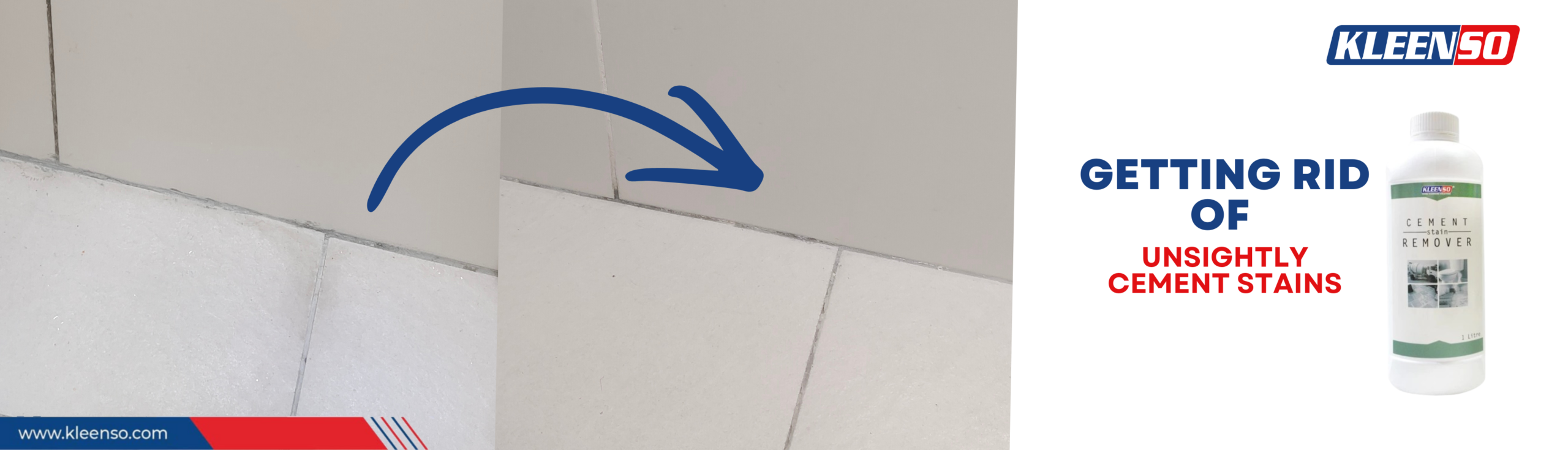
Safely Removing Cement Stains After Renovation
Renovations can transform a space, but they sometimes leave behind a frustrating problem — cement residue on tiles and surfaces. Whether it’s from tile installation, plastering, or grouting work, dried cement stains can make newly renovated areas look dirty and unfinished.
The good news is that cement stains can be removed safely without damaging your tiles or surfaces, as long as the correct cleaning methods are used.
Cement Residue During Renovation

During renovation projects, materials like cement, grout, and mortar are used to install tiles, repair walls, or build structures. Any small splashes and dust from these materials can settle onto nearby surfaces. Some of the most commonly affected areas include:
- Tiles and tile grout
- Glass windows and panels
- Metal frames and fixtures
- Bathroom surfaces
- Kitchen backsplashes
- Flooring around construction areas
This mixture will harden and bond to the surface it is on, making it difficult to remove using normal cleaning methods.
Thus, post renovation cleaning is an essential step after any construction or repair work.
Problems Caused by Untreated Cement Stains
If cement residue is not removed quickly, it can cause several issues:
- Permanent Surface Marks
Hardened cement can leave visible stains or haze on tiles and glass, affecting the appearance of newly renovated spaces.
- Surface Damage from Improper Cleaning
Many people attempt to scrape cement using metal tools, which can scratch tile surfaces or glass panels.
- Difficult Removal Over Time
The longer cement remains on a surface, the stronger it bonds, making removal more difficult and time-consuming.
- Reduced Aesthetic Quality
Even a small amount of residue can make new tiles look dull or poorly installed.
This is why removing cement stains properly is an important part of post renovation cleaning.
Safely Removing Cement Stains
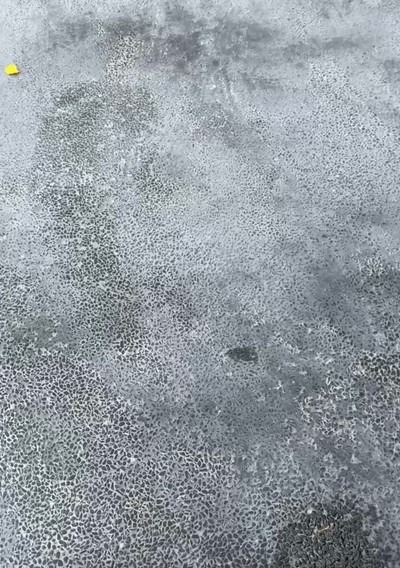
To remove cement stains from tiles without causing damage, it is important to follow safe and effective cleaning methods.
- Remove Loose Debris First – Start by sweeping or wiping away loose cement dust using a soft cloth or broom.
- Avoid Scraping with Sharp Tools – Metal scrapers or knives can damage tiles, glass, or metal surfaces. Use a gentle brush instead
- Use the Right Cleaning Solution – Kleenso Cement Stain Remover is designed to break down hardened cement safely without harming most surfaces.
- Work on small spaces – Wet a small (1m x 1m is recommended) surface affected by cement stains. Directly apply Kleenso Cement Stain Remover, and gently brush the area.
- Rinse Thoroughly After Cleaning – After removing the cement residue, rinse the area with clean water to prevent any remaining cleaning solution from affecting the surface.
When to use Kleenso Cement Stain Remover
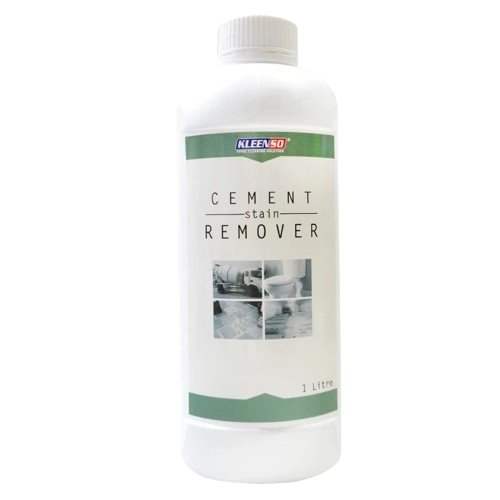
While light cement dust may be removed with basic cleaning, dried cement stains usually require a specialised cement remover.
Kleenso Cement Stain Remover is particularly useful when:
- Cement splashes have hardened on tiles
- There is grout haze on tile surfaces
- Cement residue is present on glass or metal frames
- Regular cleaning methods cannot remove the stain
This product is specifically designed to dissolve cement residue without excessive scrubbing, helping to protect the surface underneath.
Removing cement residue effectively ensures that your new tiles and finishes look their best.